
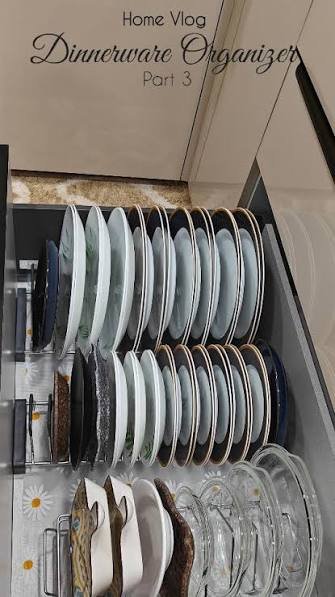
Crockery is more than just a collection of plates, bowls, mugs, and serving dishes—it’s an essential part of your home and dining experience. Whether you own elegant porcelain dinnerware, handcrafted ceramic bowls, or luxurious bone china, proper care and maintenance will keep your crockery looking beautiful and functional for years.
Many people invest in high-quality dinner sets but unknowingly shorten their lifespan through improper cleaning, storage, or handling. Simple habits, such as using the right cleaning products, stacking dishes carefully, and avoiding sudden temperature changes, can make a significant difference.
In this comprehensive guide, you’ll learn how to care for and maintain your crockery, prevent chips and stains, and keep every piece looking as good as new.
Why Proper Crockery Care Matters
Your crockery is used almost every day, making it one of the most frequently handled items in your home. Without proper care, even premium dinnerware can develop scratches, stains, cracks, or chipped edges.
Maintaining your crockery offers several benefits:
- Extends the lifespan of your dinnerware
- Preserves its shine and finish
- Prevents scratches and chips
- Improves food presentation
- Saves money by reducing replacements
- Keeps your dining collection looking elegant
Whether you use your crockery daily or only for special occasions, regular maintenance is essential.
Understanding Different Types of Crockery
Before learning how to care for your crockery, it’s important to understand that different materials require slightly different handling.
Ceramic
Ceramic crockery is durable and suitable for everyday use. It is available in a wide range of colors and finishes but may chip if dropped or handled roughly.
Porcelain
Porcelain is lightweight, smooth, and highly resistant to scratches and stains. It is ideal for both everyday dining and entertaining guests.
Bone China
Bone china is elegant, lightweight, and surprisingly strong. However, it should be handled with extra care, especially if it features gold or silver detailing.
Knowing the material helps you choose the safest cleaning and storage methods.
1. Wash Crockery Soon After Use
One of the easiest ways to maintain your dinnerware is to wash it soon after meals.
Allowing food to dry on plates or bowls makes stains harder to remove and may require excessive scrubbing.
Instead:
- Rinse off food residue promptly.
- Wash using warm water and mild dishwashing liquid.
- Avoid leaving acidic foods, such as tomato sauces or citrus juices, on the surface for long periods.
Prompt cleaning keeps your crockery fresh and prevents stubborn stains.
2. Use Mild Cleaning Products
Harsh chemicals and abrasive cleaners can damage glazed surfaces, decorative patterns, and metallic accents.
Choose:
- Mild liquid dish soap
- Soft sponges
- Microfiber cloths
Avoid:
- Steel wool
- Metal scrubbers
- Strong bleach
- Abrasive cleaning powders
Gentle cleaning protects the finish and keeps your crockery looking new.
3. Avoid Abrasive Scrubbing
Many scratches occur because of rough cleaning tools rather than regular use.
If food is stuck to the surface:
- Soak the item in warm, soapy water for 10–15 minutes.
- Use a soft sponge to remove residue.
- Never scrape the surface with knives or metal utensils.
Patience is always better than force when cleaning crockery.
4. Handle with Care
Even durable crockery can chip if knocked against hard surfaces.
Simple habits can help prevent accidental damage:
- Carry only a manageable number of plates at once.
- Avoid banging dishes together while washing.
- Place plates gently on countertops.
- Be careful when loading or unloading the dishwasher.
Taking a few extra seconds during handling can significantly increase the life of your dinnerware.
5. Stack Plates Properly
Improper storage is one of the leading causes of scratches and chips.
Best Practices
- Stack plates neatly.
- Avoid overloading cabinets.
- Place soft felt pads, paper towels, or cloth liners between delicate plates.
- Store heavier plates at the bottom.
- Keep frequently used items easily accessible.
Proper stacking reduces friction and protects decorative finishes.
6. Store Cups and Bowls Carefully
Cups, mugs, and bowls are often damaged during storage.
To protect them:
- Avoid stacking delicate cups.
- Store mugs upright.
- Place bowls carefully without forcing them together.
- Ensure cabinet shelves are stable and not overcrowded.
Giving each item enough space helps prevent accidental breakage.
7. Be Careful with Temperature Changes
Sudden changes in temperature can cause thermal shock, leading to cracks or breakage.
Avoid:
- Pouring boiling water into a cold cup.
- Placing hot dishes directly into cold water.
- Moving crockery straight from the refrigerator to the oven.
- Exposing warm plates to icy surfaces.
Allow crockery to adjust gradually to temperature changes whenever possible.
8. Check Microwave and Dishwasher Safety
Not all crockery is suitable for microwave or dishwasher use.
Before using these appliances:
- Read the manufacturer’s instructions.
- Avoid microwaving items with metallic designs.
- Place delicate items securely in the dishwasher.
- Use gentle wash cycles for premium dinnerware.
Following these recommendations prevents unnecessary damage.
9. Remove Stains Naturally
Over time, tea, coffee, curry, or tomato-based foods may leave stains on crockery.
Safe cleaning methods include:
- Baking soda paste
- White vinegar diluted with water
- Lemon juice for light stains
Apply gently using a soft cloth and rinse thoroughly.
Avoid harsh chemical stain removers unless specifically recommended for your crockery.
10. Protect Decorative Finishes
Many premium dinner sets feature gold, silver, or hand-painted decorations.
To preserve these details:
- Wash by hand whenever possible.
- Avoid abrasive cleaners.
- Do not stack decorated surfaces directly against each other.
- Dry gently with a soft cloth.
Proper care keeps decorative finishes vibrant for years.
11. Dry Crockery Thoroughly
Allowing water to sit on crockery may leave water spots or mineral deposits.
After washing:
- Use a lint-free towel.
- Air dry on a clean rack if preferred.
- Ensure items are completely dry before storing.
Dry crockery also helps prevent unpleasant odors in enclosed cabinets.
12. Inspect Your Crockery Regularly
Take a few minutes every few months to check your collection.
Look for:
- Hairline cracks
- Chipped edges
- Loose handles on mugs
- Fading decorative patterns
Replacing damaged pieces promptly helps maintain a safe and attractive dinnerware collection.
Common Mistakes That Damage Crockery
Many people unknowingly reduce the lifespan of their crockery by making simple mistakes.
Avoid these common habits:
- Stacking plates without protection
- Using metal scrubbers
- Washing with harsh chemicals
- Dropping utensils into bowls
- Overloading dishwashers
- Ignoring microwave safety labels
- Exposing crockery to sudden temperature changes
Small changes in daily routines can make a big difference.
Tips for Long-Term Storage
If you own crockery that is used only during festivals or special occasions, proper storage is especially important.
Storage Tips
- Wrap delicate pieces in soft cloth or tissue paper.
- Store in a dry, cool place.
- Avoid damp cabinets.
- Keep heavy items separate from delicate dinnerware.
- Label storage boxes for easy identification.
Proper storage ensures your special dinnerware remains ready for every celebration.
How to Keep Your Crockery Looking New
Maintaining the shine and elegance of your crockery is easier than you might think.
Follow these simple habits:
- Clean after every use.
- Handle gently.
- Use soft cleaning materials.
- Store carefully.
- Avoid extreme temperatures.
- Replace damaged pieces.
- Display decorative crockery away from direct sunlight to prevent fading.
Consistency is the secret to preserving your dinnerware’s beauty.
Choosing Quality Crockery Makes Maintenance Easier
High-quality crockery is designed to withstand regular use while maintaining its appearance.
When purchasing new dinnerware, look for:
- Scratch-resistant finishes
- Chip-resistant construction
- Microwave-safe designs
- Dishwasher-safe products
- Smooth glazed surfaces
- Durable materials such as porcelain or premium ceramic
Investing in quality products means less maintenance and greater long-term value.
Final Thoughts
Your crockery is an investment in your home, your dining experience, and the memories you create around the table. With proper care and maintenance, ceramic, porcelain, and bone china dinnerware can remain beautiful for many years.
Simple habits like gentle cleaning, careful handling, proper storage, and avoiding sudden temperature changes go a long way in protecting your favorite plates, bowls, mugs, and serving dishes. Whether you use your dinnerware every day or reserve it for special occasions, taking care of it ensures that every meal is served with elegance and confidence.
At EcomExpresso, we believe quality crockery deserves quality care. Our carefully selected collection of premium dinner sets, serving bowls, mugs, platters, and home décor accessories is designed to bring style, durability, and lasting value to your home. Explore our range to find beautiful pieces that make every dining experience special.
Frequently Asked Questions (FAQs)
1. How often should I replace my crockery?
High-quality crockery can last for many years with proper care. Replace pieces only if they become chipped, cracked, or unsafe to use.
2. Can I wash ceramic and porcelain crockery in the dishwasher?
Many modern ceramic and porcelain products are dishwasher-safe. However, always check the manufacturer’s care instructions, especially for items with metallic or hand-painted designs.
3. What is the best way to remove tea and coffee stains from mugs?
A paste made from baking soda and water or a mixture of white vinegar and warm water can gently remove most stains without damaging the surface.
4. How can I prevent my plates from getting scratched?
Place soft liners or felt pads between stacked plates, avoid abrasive scrubbers, and handle them gently during washing and storage.
5. Is it safe to use chipped crockery?
No. Chipped or cracked crockery can become weaker over time and may pose a safety risk. It’s best to replace damaged pieces as soon as possible.