
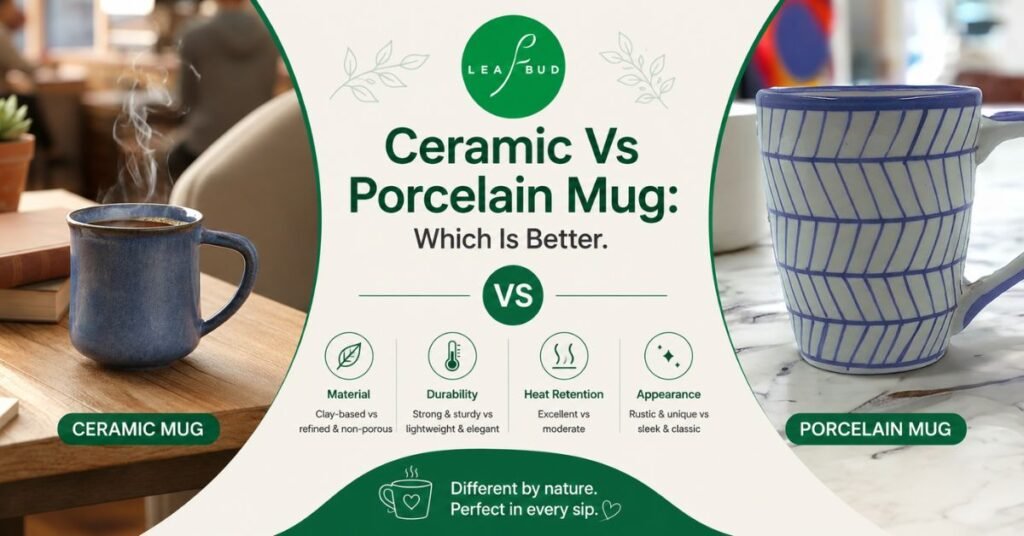
Choosing the right crockery can make a significant difference in your dining experience. Whether you’re buying a dinner set for everyday meals, festive celebrations, or formal occasions, selecting the right material is just as important as choosing the design.
Three of the most popular types of dinnerware are ceramic, porcelain, and bone china. While they may look similar at first glance, each has unique characteristics in terms of durability, appearance, weight, maintenance, and price.
So, which one is best?
The answer depends on your lifestyle, budget, and how you plan to use your crockery. In this guide, we’ll compare ceramic, porcelain, and bone china in detail to help you make the right choice for your home.
Understanding Different Types of Crockery
Crockery refers to the plates, bowls, mugs, serving dishes, and other tableware used for serving food. The quality of crockery depends largely on the material from which it is made.
Let’s take a closer look at each material.
What is Ceramic Crockery?
Ceramic crockery is made from natural clay that is shaped, dried, glazed, and fired at high temperatures. It is one of the oldest and most commonly used materials for dinnerware.
Ceramic products come in countless colors, textures, and designs, making them a popular choice for modern homes.
Advantages of Ceramic Crockery
- Affordable and budget-friendly
- Wide variety of colors and patterns
- Attractive handmade appearance
- Suitable for everyday dining
- Available in modern and traditional designs
- Easy to replace individual pieces
Disadvantages
- Slightly heavier than porcelain
- Can chip if dropped
- Some handmade ceramics may vary slightly in color and finish
Best For
- Daily family meals
- Casual dining
- Small families
- Budget-conscious buyers
What is Porcelain Crockery?
Porcelain is a premium type of ceramic made from refined clay and fired at extremely high temperatures. This process creates a dense, smooth, and highly durable material.
Although porcelain looks delicate, it is surprisingly strong and resistant to scratches and stains.
Advantages of Porcelain
- Elegant appearance
- Lightweight
- Highly durable
- Non-porous surface
- Scratch resistant
- Stain resistant
- Easy to clean
- Microwave and dishwasher safe (depending on design)
Disadvantages
- More expensive than standard ceramic
- Decorative designs with metallic accents may require extra care
Best For
- Everyday luxury
- Family dining
- Entertaining guests
- Modern homes
- Long-term use
What is Bone China?
Bone china is considered one of the finest materials used for premium dinnerware. It is made by combining refined clay with bone ash and other natural minerals.
Despite being extremely thin and lightweight, bone china is remarkably strong.
Its translucent appearance and smooth finish make it a favorite for luxury dining.
Advantages of Bone China
- Premium appearance
- Extremely lightweight
- Elegant translucent finish
- Strong despite its thin profile
- Excellent heat retention
- Perfect for formal dining
- Long-lasting when properly maintained
Disadvantages
- Highest price among the three
- Requires careful handling
- Premium collections can be expensive to replace
Best For
- Weddings
- Luxury dining
- Fine restaurants
- Festive occasions
- Gifting
Ceramic vs. Porcelain vs. Bone China
Let’s compare these materials across the most important buying factors.
1. Appearance
Ceramic
Offers a warm, handcrafted look with beautiful textures and artistic finishes.
Porcelain
Features a smooth, polished, and modern appearance suitable for both casual and formal dining.
Bone China
Has a refined, elegant, and slightly translucent finish that gives it a luxurious feel.
Winner: Bone China
2. Durability
Ceramic is durable enough for daily use but may chip if handled roughly.
Porcelain is fired at higher temperatures, making it stronger and more resistant to scratches.
Bone China, despite being thinner, is surprisingly durable when used correctly.
Winner: Porcelain
3. Weight
Ceramic tends to be the heaviest.
Porcelain is noticeably lighter.
Bone China is the lightest of all three.
Winner: Bone China
4. Heat Resistance
All three materials perform well with hot foods.
However, porcelain and bone china generally retain heat better than standard ceramic.
Winner: Porcelain and Bone China
5. Scratch Resistance
Porcelain has a dense, hard surface that resists scratches exceptionally well.
Bone china also performs well, while ceramic may show wear over time with heavy use.
Winner: Porcelain
6. Price
Ceramic is the most affordable option.
Porcelain falls into the mid-to-premium price range.
Bone China is the most expensive due to its premium manufacturing process and elegant finish.
Winner: Ceramic (for affordability)
7. Maintenance
Ceramic is generally easy to clean but may absorb stains if not properly glazed.
Porcelain is non-porous, making it highly stain resistant.
Bone China also cleans easily but should be handled carefully if decorated with gold or silver accents.
Winner: Porcelain
Which Material is Best for Everyday Use?
If you’re looking for crockery for daily meals, porcelain is often the best choice.
It offers:
- Excellent durability
- Elegant appearance
- Easy maintenance
- Long lifespan
- Resistance to scratches and stains
Ceramic is also a great everyday option if you’re working with a smaller budget.
Which Material is Best for Special Occasions?
For weddings, anniversaries, festivals, and formal dinners, bone china is the preferred choice.
Its lightweight feel, elegant finish, and luxurious appearance make every meal feel special.
Many families reserve bone china dinner sets for festive occasions and guests.
Which Material is Best for Families with Children?
Families with young children often prioritize durability and practicality.
In this case:
- Porcelain offers the best balance between strength and beauty.
- Ceramic is suitable if you prefer affordable replacements.
- Bone China may not be ideal for rough everyday use.
Which Material Offers the Best Value?
The answer depends on your priorities.
Choose Ceramic if you want:
- Budget-friendly pricing
- Colorful designs
- Everyday functionality
- Traditional charm
Choose Porcelain if you want:
- Long-lasting quality
- Premium appearance
- Easy maintenance
- Excellent durability
Choose Bone China if you want:
- Luxury dining
- Elegant table settings
- Lightweight dinnerware
- Premium gifting
Which Material Offers the Best Value?
The answer depends on your priorities.
Choose Ceramic if you want:
- Budget-friendly pricing
- Colorful designs
- Everyday functionality
- Traditional charm
Choose Porcelain if you want:
- Long-lasting quality
- Premium appearance
- Easy maintenance
- Excellent durability
Choose Bone China if you want:
- Luxury dining
- Elegant table settings
- Lightweight dinnerware
- Premium gifting
Common Mistakes to Avoid
Many buyers focus only on appearance.
Before purchasing, avoid these common mistakes:
- Ignoring the material
- Choosing style over durability
- Buying too few pieces
- Forgetting microwave compatibility
- Not checking dishwasher safety
- Purchasing low-quality products solely because they’re inexpensive
Making an informed decision ensures long-term satisfaction.
Final Verdict
There is no single “best” crockery material—it depends on your needs.
- Ceramic is perfect for affordable everyday use and offers countless design options.
- Porcelain provides the ideal balance of elegance, durability, and practicality, making it the best all-round choice for most households.
- Bone China is the ultimate option for luxury dining, formal occasions, and premium gifting.
For many families, owning both a durable porcelain dinner set for daily use and a beautiful bone china collection for special occasions offers the best of both worlds.
At EcomExpresso, we offer a carefully curated collection of ceramic, porcelain, and premium crockery designed to suit every lifestyle. Whether you’re looking for a stylish everyday dinner set or elegant serveware for celebrations, you’ll find quality products that combine beauty, durability, and value.
Frequently Asked Questions (FAQs)
1. Which crockery material is best for daily use?
Porcelain is widely regarded as the best option for everyday use because it is durable, lightweight, stain-resistant, and easy to maintain.
2. Is bone china stronger than ceramic?
Yes. Despite being thinner and lighter, bone china is generally stronger than standard ceramic due to its unique manufacturing process.
3. Can ceramic crockery be used in the microwave?
Most glazed ceramic crockery is microwave-safe, but always check the manufacturer’s instructions, especially if it has metallic decorations.
4. Which crockery is best for gifting?
Bone china is an excellent gift choice for weddings, anniversaries, housewarming celebrations, and festive occasions because of its premium appearance and elegant finish.
5. Is porcelain worth the extra cost?
Yes. Porcelain offers excellent durability, scratch resistance, timeless style, and long-term value, making it a worthwhile investment for most households.